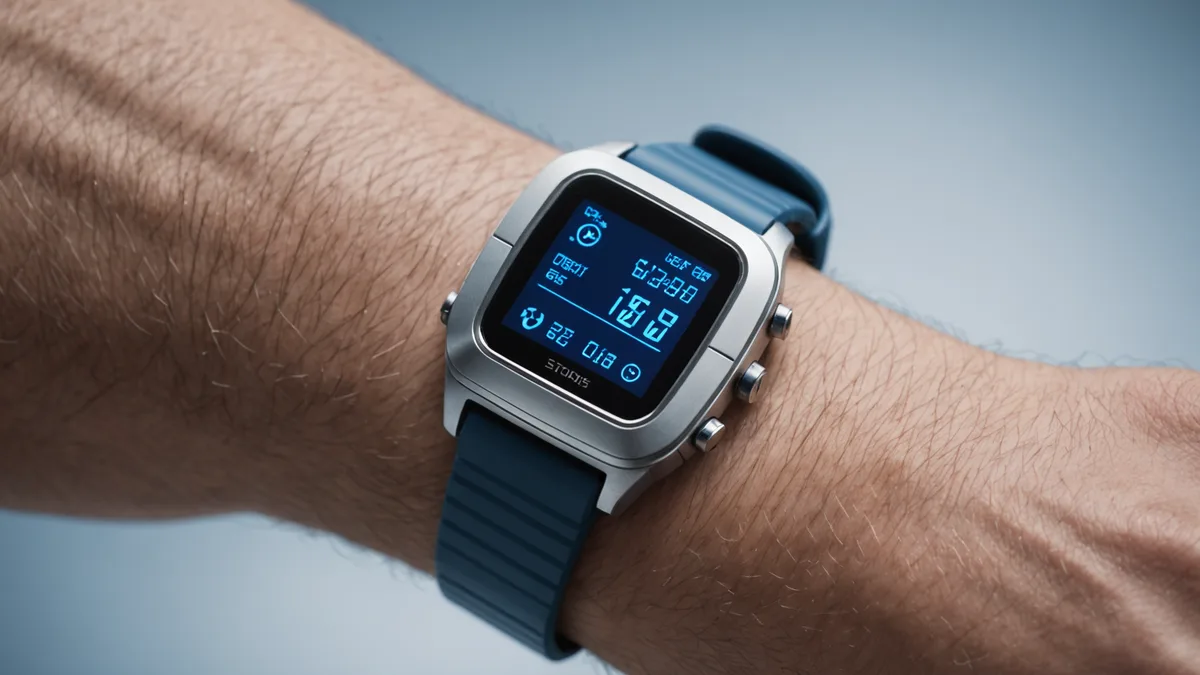
Wearable Data in the Physician's Office: Separating Signal from Noise
Continuous biometric streams from consumer wearables have outpaced the clinical infrastructure designed to receive them.
ReadResearch, clinical perspectives, and practical guidance for preventive and longevity medicine.
Continuous biometric streams from consumer wearables have outpaced the clinical infrastructure designed to receive them.
ReadInternal medicine manages acute problems with episodic data. Longevity medicine tracks aging trajectories with longitudinal data.
ReadA patient sees their cardiologist, metabolic physician, and GP in the same month. None of their reports reference each other.
ReadStructured clinical history contains more predictive signal than most physicians have time to extract in a standard visit.
ReadA lipid panel drawn in January and another in July tell different stories if you're tracking metabolic aging.
ReadChronological age is a poor predictor of health trajectory. Biological age gives clinicians a more actionable view.
ReadData integration isn't just a technical problem, it's a clinical one. When lab and wearable data remain in separate silos, physicians work with a handicapped picture.
ReadOncology built decades of risk-stratification infrastructure. Preventive and longevity medicine is now developing its own.
ReadBefore a complex preventive care consultation, a physician can spend 20-40 minutes manually cross-referencing lab history, specialist notes, and device exports.
ReadA single lab panel gives you a snapshot. A series of panels over 18 months gives you a trajectory.
ReadThe most useful clinical AI tools are the ones that make the physician's judgment sharper, not the ones that try to substitute it.
Read